Saturday, October 13, 2012

ශ්‍රද්ධාවන්ත පුද්ගලයෙක් දැකිය යුතු ස්ථාන හතරක් !


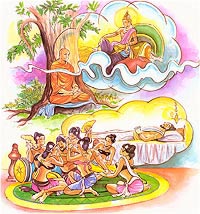
ශ්‍රද්ධාවන්ත පුද්ගලයෙක් දැකිය යුතු ස්ථාන හතරක් ඇති බව බුදුරදුන් ආනන්ද හිමිට පෙන්වා දෙයි. සිදුහත් කුමරු උපන් ස්ථානය, බෝසතාණන් වහන්සේ බුදු වූ ස්ථානය, මංගල ධර්ම දේශනය පැවැත්වූ ස්ථානය හා පිරිනිවන් පෑ ස්ථානය එම ස්ථාන හතරයි. බුදු සිරුර ආදාහනය කරනවිට සක්විති රජ කෙනෙකුගේ ආදාහනයක් මෙන් සිදුකළ යුතු බවත් අලුත් සළුවලින් වෙලා ඉන්පසු පුළුන් වලින්ද නැවත්ත සළුවලින් හා පුළුන්වලින් ආදී වශයෙන් බුදු සිරුර වෙළිය යුතු ආකාරය උන්වහන්සේ ආනන්ද හිමිට පැහැදිලි කර දුන්නේය. පුද්ගලයන් හතර දෙනෙකුගේ ධාතු නිදන් කර චෛත්‍ය ඉදිකිරීම සුදුසු බවත් එම පුද්ගලයන් ථූපර්හ පුද්ගලයන් බවත් බුදුරදුන් පසේ බුදුරදුන් රහතන් වහන්සේ සහ සක්විති රජතුමා එම පුද්ගලයන් හතර දෙනා බව උන්වහන්සේ පෙන්වා දුන්නේය.

මේ අවස්ථාව වනවිටත් තමාට රහත් වීමට නොහැකි වීම පිළිබඳව ආනන්ද හිමි කම්පා වූ අතර එසේ කම්පා නොවන ලෙසට උන්වහන්සේ ආනන්ද හිමිට පැවසීය. එම ස්ථානයේ සිටි භික්ෂුන් වහන්සේලාට ආනන්ද හිමිගේ ගුණ පවසන ලදී. මේ අවස්ථාවේදී ආනන්ද හිමි කුසිනාරා වැනි කුඩා නගරයක පිරිනිවන් නොපා විශාලා නගරයකට යෑමට යෝජනා කළත් බුදුරදුන් එම අදහස පිළිගත්තේ නැත. මේ අවස්ථාවේදී සුභද්ද නැමති පරිබ්‍රාජකයෙක් බුදුරදුන් හමුවට පැමිණ පැවිදි වීමට ආශා කළ අතර බුදුරදුන්ගේ නියමයෙන් ආනන්ද හිමි එම කටයුත්ත කළේය. බුදුරදුන් ගැන හෝ ධර්මය ගැන හෝ සංඝයා ගැන හෝ යම්කිසි සැකයක් අවිශ්වාසයක් ඇත්නම් ඒ ගැන අසන ලෙසටත් මට ඇති ගෞරවය නිසා මාගෙන් ඇසිය නොහැකි නම් වෙනත් භික්ෂුවකගේ මාර්ගයෙන් අසන ලෙසටත් උන්වහන්සේ භික්ෂූන්ට දැන්වීය. භික්ෂුන් වහන්සේලා නිශ්ශබ්ද විය.

අවසානයේදී උන්වහන්සේ එක් එක් ධ්‍යාන වලට සමවැදී පිරිනිවන් පා වදාළේය. ආනන්ද හිමි බුදුරදුන් පිරිනිවන් පෑ බව කුසිනාරා නුවර මල්ල රජ දරුවන්ට දැන්වීය. බුදුරදුන් මුලින් දුන් උපදෙස් අනුව පිරිසිදු වස්ත්‍රවලින් හා කපුවලින් වෙලා දවස් හතක් සුවඳ දුමින් හා සුවඳ පැන්වලින් නාවා ශ්‍රී දේහය චිතකයේ තැන්පත් කළේය. මල්ල රජවරු හතර දෙනෙක් හිස් සෝදා නා පිරිසිදු වී පිරිසිදු වස්ත්‍ර ඇඳගෙන චිතකයට ගිනි දැල්වීය. එහෙත් මහා කාශ්‍යප හිමි පාවා නුවර සිට කුසිනාරාවට වැඩම කොට චිතකයට වැද නමස්කාර කරන තුරු චිතකයට ගිනිගත්තේ නැත.

මහා කාශ්‍යප හිමි පාවා නුවර සිට භික්ෂුන් වහන්සේලා පිරිවරාගෙන කුසිනාරා නුවර බලා පැමිනෙද්දී බුදුරදුන් පිරිනිවන් පෑ බව ඇසූ පෘතජ්ජන භික්ෂුන් හඬන්නට පටන් ගත්හ. ඒ අවස්ථාවේදී මහළු වී පැවිදි වූ සුභද්ද නැමති භික්ෂුව මෙසේ කීහ. අඬන්න එපා සෝක කරන්න එපා අපි ඒ ශ්‍රමණයා නැති නිසා අපිට කැමති දේ කරමු අකමැති දේ නොකරමුමෙම කථාව ඇසීමෙන් මහා කාශ්‍යප හිමි සංවේගයට පත්විය.
ආදාහනයෙන් පසුව බුදුරදුන්ගේ ධාතු බෙදා ගැනීම සඳහා රජවරුන් අතර අසමගියක් ඇතිවිය. මමත් බලවත් රජෙක් යැයි සිතු අජාසත් රජුද ධාතු ගැනීමට ආවේය. අවසානයේදී දෝණ නමැති බමුණා සියලුම රජවරුන් සංසුන් කොට සියලුදෙනාටම ධාතු බෙදා දුන්නේය.

පගේ සුගත තථාගත සම්මා සම්බුදු රජාණන් වහන්සේ කුශිනාරා නුවර උපවර්තන සාලවනෝද්‍යානයේ යමා සල් රුක් අතර පිරිනිවන් පෑම පිණිස සිංහ සෙය්‍යාවෙන් සැතපී සිටිමින්, පින්වත් ආනන්ද ස්වාමීන් වහන්සේ අමතා මෙසේ වදාළ සේක.

‘‘චත්‌තාරොමෙ, ආනන්‌ද, ථූපාරහා. කතමෙ චත්‌තාරො? තථාගතො අරහං සම්‌මාසම්‌බුද්‌ධො ථූපාරහො, පච්‌චෙකසම්‌බුද්‌ධො ථූපාරහො, තථාගතස්‌ස සාවකො ථූපාරහො, රාජා චක්‌කවත්‌තී ථූපාරහොති” 

පින්වත් ආනන්ද, ස්ථූප තනවා පුදපූජා දැක්වීමට සුදුසු පුද්ගලයෝ සතර දෙනෙකි. ඒ කවර සතර දෙනෙක් ද..? තථාගත අරහත් සම්මා සම්බුදු රජාණන් වහන්සේ ස්ථූප තනවා පුදපූජා දැක්වීමට සුදුසු ය. පසේ බුදු රජාණන් වහන්සේ ස්ථූප තනවා පුදපූජා දැක්වීමට සුදුසු ය. තථාගත ශ්‍රාවකයන් වහන්සේ ස්ථූප තනවා පුදපූජා දැක්වීමට සුදුසු ය. චක්‍රවර්තී රජු ස්ථූප තනවා පුදපූජා දැක්වීමට සුදුසු ය.

‘‘කිඤ්‌චානන්‌ද, අත්‌ථවසං පටිච්‌ච තථාගතො අරහං සම්‌මාසම්‌බුද්‌ධො ථූපාරහො? ‘අයං තස්‌ස භගවතො අරහතො සම්‌මාසම්‌බුද්‌ධස්‌ස ථූපොති, ආනන්‌ද, බහුජනා චිත්‌තං පසාදෙන්‌ති. තෙ තත්‌ථ චිත්‌තං පසාදෙත්‌වා කායස්‌ස භෙදා පරං මරණා සුගතිං සග්‌ගං ලොකං උපපජ්‌ජන්‌ති. ඉදං ඛො, ආනන්‌ද, අත්‌ථවසං පටිච්‌ච තථාගතො අරහං සම්‌මාසම්‌බුද්‌ධො ථූපාරහො.
පින්වත් ආනන්ද, තථාගත අරහත් සම්මා සම්බුදු රජාණන් වහන්සේ ස්ථූප තනවා පුදපූජා දැක්වීමට සුදුසු වන්නේ කවර අර්ථයක් නිසා ද..? මේ ඒ තථාගත අරහත් සම්මා සම්බුදු රජාණන් වහන්සේ ස්ථූපය යි කියා බොහෝ පිරිසක් සිත පහදවා ගනිති. එසේ තථාගත ස්ථූපයේ සිත පහදවා ගෙන කය බිඳී මරණින් මතු සුගතිය නම් වූ ස්වර්ග ලෝකයේ උපත ලබති. පින්වත් ආනන්ද මේ අර්ථය හේතු කොට ගෙන තථාගත අරහත් සම්මා සම්බුදු රජාණන් වහන්සේ ස්ථූප තනවා පුදපූජා දැක්වීමට සුදුසු වෙයි.
මහා පරිනිබ්බාන සූත්‍රය දීඝ නිකාය
Ananda's Concern

 "Formerly, Lord, on leaving their quarters after the rains, the bhikkhus would set forth to see the Tathagata, and to us there was the gain and benefit of receiving and associating with those very revered bhikkhus who came to have audience with the Blessed One and to wait upon him. But, Lord, after the Blessed One has gone, we shall no longer have that gain and benefit."


  "There are four places, Ananda, that a pious person should visit and look upon with feelings of reverence. What are the four?
  "'Here the Tathagata was born!'  This, Ananda, is a place that a pious person should visit and look upon with feelings of reverence.

  "'Here the Tathagata became fully enlightened in unsurpassed, supreme Enlightenment!'  This, Ananda, is a place that a pious person should visit and look upon with feelings of reverence.

 "'Here the Tathagata set rolling the unexcelled Wheel of the Dhamma!'  This, Ananda, is a place that a pious person should visit and look upon with feelings of reverence.

"'Here the Tathagata passed away into the state of Nibbana in which no element of clinging remains!' This, Ananda, is a place that a pious person should visit and look upon with feelings of reverence.
"These, Ananda, are the four places that a pious person should visit and look upon with feelings of reverence. And truly there will come to these places, Ananda, pious bhikkhus and bhikkhunis, laymen and laywomen, reflecting: 'Here the Tathagata was born! Here the Tathagata became fully enlightened in unsurpassed, supreme Enlightenment! Here the Tathagata set rolling the unexcelled Wheel of the Dhamma! Here the Tathagata passed away into the state of Nibbana in which no element of clinging remains!'
  "And whoever, Ananda, should die on such a pilgrimage with his heart established in faith, at the breaking up of the body, after death, will be reborn in a realm of heavenly happiness."

  Then the Venerable Ananda said to the Blessed One: "How, Lord, should we conduct ourselves towards women?"
"Do not see them, Ananda."
"But, Lord, if we do see them?"
"Do not speak, Ananda."
"But, Lord, if they should speak to us?"
"Then, Ananda, you should establish mindfulness."
 Then the Venerable Ananda said: "How should we act, Lord, respecting the body of the Tathagata?"
"Do not hinder yourselves, Ananda, to honor the body of the Tathagata. Rather you should strive, Ananda, and be zealous on your own behalf, for your own good. Unflinchingly, ardently, and resolutely you should apply yourselves to your own good. For there are, Ananda, wise nobles, wise brahmans, and wise householders who are devoted to the Tathagata, and it is they who will render the honor to the body of the Tathagata."


 Then the Venerable Ananda said: "But how, Lord, should they act respecting the body of the Tathagata?"

"After the same manner, Ananda, as towards the body of a universal monarch."
"But how, Lord, do they act respecting the body of a universal monarch?"

"The body of a universal monarch, Ananda, is first wrapped round with new linen, and then with teased cotton wool, and so it is done up to five hundred layers of linen and five hundred of cotton wool. When that is done, the body of the universal monarch is placed in an iron oil vessel, which is enclosed in another iron vessel, a funeral pyre is built of all kinds of perfumed woods, and so the body of the universal monarch is burned; and at a crossroads a stupa is raised for the universal monarch. So it is done, Ananda, with the body of a universal monarch. And even, Ananda, as with the body of a universal monarch, so should it be done with the body of the Tathagata; and at a crossroads also a stupa should be raised for the Tathagata. And whosoever shall bring to that place garlands or incense or sandalpaste, or pay reverence, and whose mind becomes calm there — it will be to his well being and happiness for a long time.


"There are four persons, Ananda, who are worthy of a stupa. Who are those four? A Tathagata, an Arahant, a Fully Enlightened One is worthy of a stupa; so also is a Paccekabuddha, and a disciple of a Tathagata, and a universal monarch. 


  "And why, Ananda, is a Tathagata, an Arahant, a Fully Enlightened One worthy of a stupa? Because, Ananda, at the thought: 'This is the stupa of that Blessed One, Arahant, Fully Enlightened One!' the hearts of many people will be calmed and made happy; and so calmed and with their minds established in faith therein, at the breaking up of the body, after death, they will be reborn in a realm of heavenly happiness. 

And so also at the thought: 'This is the stupa of that Paccekabuddha!' or 'This is the stupa of a disciple of that Tathagata, Arahant, Fully Enlightened One!' or 'This is the stupa of that righteous monarch who ruled according to Dhamma!' — the hearts of many people are calmed and made happy; and so calmed and with their minds established in faith therein, at the breaking up of the body, after death, they will be reborn in a realm of heavenly happiness.

 And it is because of this, Ananda, that these four persons are worthy of a stupa."

Wednesday, October 10, 2012

ථේර ගාථා 26


ලෝමසකංගිය තෙරුන් ගේ ගාථාව.

ඊ තණ, කුස තණ, වැලුක්,  සැවැන්දරා, මෘදු තණ, බබුස් තණ වලින් මට වැඩක් නෑ.  මා ඒවා වීසි කරල දානවා. මං විවේකයම සොයා ගෙන යනවා. 

මේ වනාහී ආයුශ්මත් ලෝමසකංගිය රහත් මුණිඳුන් වදාළ ගාථාවයි.

Tuesday, October 9, 2012

ථේරි ගාථා -- දුක නිපාතෝ 2


ජෙන්තා තෙරණියගේ ගාථා.

බුදු සමිඳාණන් තමයි අමා නිවනට පමුණුවන මාර්ගය වන මේ බොජ්ඣංග ධර්ම හත වදාළේ.  ඉතින් මාත් ඒ ධර්ම ඔක්කොම දියුණු කර ගත්තා.

මාත් ධර්මය  තුළින් ඒ භාග්‍යවතුන් වහන්සේව දැක ගත්තා. මේක තමයි මගේ අන්තිම ශරීරය. ඉපදෙන සංසාරෙ ගෙවිල ගියා.  දැන් ඉතින් ආයෙත් භවයක් නෑ. 

මේ වනාහී ජෙන්තා නම් රහත් තෙරණිය වදාළ ගාථාවන් ය.

Sunday, October 7, 2012

සංයුක්ත නිකාය - භික්ඛුනී සංයුක්තය. 2


භික්ඛුනී සංයුක්තය.

භික්ඛුනී වර්ගය

සෝමා භික්ෂුණිය මාරයාට පැවසූ දෙසුම.

*** බලන්න, මේ සෝමා භික්ෂුණියගේ වදන් කොතරම් අපූරුද කියල. ධර්මය අවබෝධ කරගන්න ගැහැණු, පිරිමි භේදයක් ඇත්තේම නෑ. 

 සෝමා සූත්‍රය.
භාග්‍යවතුන් වහන්සේ ගෙන් මාහට අසන්නට ලැබුනේ මේ විදිහටයි.

ඒ දිනවල භාග්‍යවතුන් වහන්සේ වැඩ සිටියේ සැවැත් නුවර ජේතවන අසපුවේ.

එදා සෝමා භික්ෂුණිය උදේ වරුවේ සිවුරු පොරවාගෙන , පාත්‍ර - සිවුරු අරගෙන  සැවැත් නුවර ට පිඬු සිඟා වඩියා.  සැවැත් නුවර  පිණ්ඩපාතෙ වැඩල , දන් වළඳල ,දවල් කාලෙ චිත්ත විවේකය ඇතිව ගත කරන්න කැමතිව අන්ධ වනයට පිටත් වුනා. අන්ධ වනයෙ ඇතුලටම ගිහින් එක්තරා රුක් සෙවනක දවල් කාලෙ වාඩි වෙලා හිටිය.

එතකොට පවිටු මාරයාට මේ විදිහට කැමැත්තක් ඇතිවුනා.

 " සෝමා  භික්ෂුණියව බය කරවන්නට ඕනෙ. තැති ගන්වන්නට ඕනෙ , මවිල් කෙලින් කරවන්ට ඕනෙ. සමාධියෙන් දුරු කරවන්ට ඕනෙ" කියල. ඊට පස්සෙ මාරයා සෝමා  භික්ෂුණිය ළඟට ගියා. ගිහින් සෝමා භික්ෂුණියට  ගාථාවක් කිව්ව.

" අවබොධයට ඉතා දුෂ්කර වූ තත්වයක් වන ඔය දේ ලැබන්නෙ ඉසිවරුන් විසින් නෙව. ඇඟිලි දෙකේ නුවණ තියෙන ගෑණුන්ට ඔවැනි තත්වයකට පත්වෙන්ට පුළුවන් කමක් නෑ."
එතකොට සෝමා  භික්ෂුණියට මෙහෙම හිතුණා.

 " කවුද මෙයා ?  මනුෂ්‍යයෙක් ද? අමනුෂ්‍යයෙක්ද?"  මේ ගාථා කියන්නෙ. 

ඉතින් සෝමා  භික්ෂුණියට මෙහෙම හිතුණා.

" මේ තමයි පාපී මාරයා , මාව භය කරවන්ට , තැති ගන්වන්ට , ඇඟේ මවිල් කෙලින් කරවන්ට, සමාධියෙන්  දුරු කරවන්ට තමයි ඔය ගාථා කියන්නෙ"

ඉතින්  සෝමා භික්ෂුණිය මේ පවිටු මාරයා බව දැනගෙන, මේ ගාථාවලින් පවිටු මාරයාට පිළිතුරු දුන්නා.

" හිත තියෙන්නෙ සමාධිමත් වෙලා නම් , ගෑණු කමෙන් මොකක් කරන්න ද? හොඳට යථා ස්වභාවය විදර්ශනා කරන්නට පුළුවන් එකේ , අවබොධ ඥානයත් ඇතිවෙන එකේ ගෑණු කම  මොකට ද?".

"යම්කිසි  කෙනෙකුට මමත් ගැහැණියෙක් , මමත් පිරිමියෙක්, මම කවුරු හරි කෙනෙක් කියල හිතනව නම් , මාරයෙක් විසින් ඔය කතාව කිව යුත්තෙ අන්න ඒ වගේ කෙනෙකුට."


එතකොට පවිටු මාරයා, " මේ සෝමා  භික්ෂුණිය   මාව දැනගත්තා නෙව"  කියල දුක් වුනා. නො සතුටු වුනා. එතනම නොපෙනී ගියා.


සාදූ!   සාදූ!!   සාදූ!!!


ධම්ම පදය - අප්පමාද වර්ගය 1


අප්පමාදෝ අමතපදං - පමාදෝ මච්චුනෝ පදං
අප්පමත්තා න මීයන්ති - යේ පමත්තා යථා මතා


තේරුම:-

අප්‍රමාදීව සීල, සමාධි, ප්‍රඥා වඩන තැනැත්තා ඒ අමා නිවන කරා යනව.
කාම සැපයට වසඟ වෙලා ප්‍රමාද වෙන තැනැත්තාට ලැබෙන්නෙ ආයෙ ආයෙම ත් මරණය විතර යි.  අප්‍රමාදීව ධර්මයේ හැසිරෙන උදවිය අමරණීය වෙනව.  ප්‍රමාද වෙච්ච උදවිය ජීවත් වුණත් මළ කඳන් වගේ තමයි.


Freedom Is Difficult

 Appamādo amatapadaṃ, pamādo maccuno padaṃ
Appamattā na mīyanti, ye pamattā yathā matā.


Heed fulness is the Deathless path,
heedlessness, the path to death.
Those who are heedful do not die,
heedless are like the dead.
Explanation: The path to the Deathless is the perpetual awareness of experience. The deathless does not imply a physical state where the body does not die. When an individual becomes totally aware of the process of experiencing, he is freed from the continuity of existence. Those who do not have that awareness are like the dead, even if they are physically alive.

Sāmāvatī and Māgaṇḍiyā
The Buddha rejected Māgaṇḍiyā when her parents offered her hand in
marriage, so she hated him. Sāmāvatī was a devout Buddhist. Both were married
to the same king. Māgaṇḍiyā conspired with her relatives to burn Sāmāvatī alive
with her attendants. After an investigation, the king had Māgaṇḍiyā and all her
relatives cruelly executed. The monks discussed which of the two queens was alive
and which was dead. The Buddha explained that the heedless should be regarded
as dead even if they live a hundred years, while the heedful should be regarded as
alive even though they are dead.

Saturday, October 6, 2012

භික්ඛුනී සංයුක්තය - ආළවිකා සූත්‍රය.


අද අලුත් සංයුක්තයක් පටන් ගන්නෙ. හරිම අසිරිමත්!  මේ භික්ෂුණින් වහන්සේලාගේ වදන්. 


භික්ඛුනී සංයුක්තය.

භික්ඛුනී වර්ගය 

ආළවිකා භික්ෂුණිය මාරයාට පැවසූ දෙසුම.

ආළවිකා සූත්‍රය.

භාග්‍යවතුන් වහන්සේ ගෙන් මාහට අසන්නට ලැබුනේ මේ විදිහටයි.

ඒ දිනවල භාග්‍යවතුන් වහන්සේ වැඩ සිටියේ සැවැත් නුවර ජේතවන අසපුවේ.

එදා ආළවිකා භික්ෂුණිය උදේ වරුවේ සිවුරු පොරවාගෙන , පාත්‍ර - සිවුරු අරගෙන  සැවැත් නුවර ට පිඬු
සිඟා වඩියා.  සැවැත් නුවර  පිණ්ඩපාතෙ වැඩල දන් වළඳල . චිත්ත විවේකය කැමතිව අන්ධ වනයට පිටත් වුනා.

එතකොට පවිටු මාරයාට මේ විදිහට කැමැත්තක් ඇතිවුනා. " ආළවිකා භික්ෂුණියව බය කරවන්නට ඕනෙ. මවිල් කෙලින් කරවන්ට ඕනෙ. චිත්ත විවේකය නති කරවන්ට ඕනෙ" කියල , ඊට පස්සෙ මාරයා ආළවිකා භික්ෂුණිය ළඟට ගියා. ගිහින් ආළවිකා භික්ෂුණියට  ගාථාවක් කිව්ව. 

"මේ ලෝකෙ නිවන කියල දෙයක් නෑ. ඔය චිත්ත විවේකයෙන්  කුමක් කරන්ට ද? කාම සැප විඳල ඉන්ට. ඔන්න පස්සෙ දුක් වෙන්ට එපා".

එතකොට ආළවිකා භික්ෂුණියට මෙහෙම හිතුණා.
 " කවුද මෙයා ?  මනුෂ්‍යයෙක් ද? අමනුෂ්‍යයෙක්ද?"  මේ ගාථා කියන්නෙ.  

ඉතින් ආළවිකා භික්ෂුණියට මෙහෙම හිතුණා.

" මේ තමයි පාපී මාරයා , මාව භය කරවන්ට , තැති ගන්වන්ට , ඇඟේ මවිල් කෙලින් කරවන්ට, චිත්ත විවේකයෙන් දුරු කරවන්ට යි ඔය ගාථා කියන්නෙ" 
ඉතින්  ආළවිකා භික්ෂුණිය මේ පවිටු මාරයා බව දැනගෙන, මේ ගාථාවලින් පවිටු මාරයාට පිළිතුරු දුන්නා.

 '' ලෝකයේ නිවන කියල දෙයක් තියෙනවා. මට ඒක ප්‍රඥාවෙන් අවබෝධ වුනා. පමාවූ ජනයාගේ  ඤාතියා වන මාරය, ඔබ ඒ අමා නිවන ගැන දන්නෙ නැති කෙනෙක්."

" කාමයෝ කියන්නෙ දරුණු ආයුධ වගේ දේවල්. මේ රූපස්කන්ධය  ඒ කාමයන්ට මස් වැදලි වගේ. ඔබ කාම සැපයක්ය කියල යම් දේකට කියනවා නම්, මට ඒක අරතියක්ම යි".

එතකොට පවිටු මාරයා, " මේ ආළවිකා භික්ෂුණිය මාව දැනගත්තා නෙව"  කියල දුක් වුනා. නො සතුටු වුනා. එතනම අතුරුදහන් වුනා. 


සාදූ!   සාදූ!!   සාදූ!!!

සංයුක්ත නිකාය - සත්ති වර්ගය


ඒණිජංඝ සූත්‍රය. 


ඒණි මුවාගේ කෙණ්ඩා මුල් කොට වදාළ දෙසුම.

 සැවත් නුවර ජේතවන අසපුවේදීය. 

(දෙවියා ) 

"ආහාර චුට්ටක් වළඳන , කෙසිවකට ආසා නැති, ඒණි මුවෙකුගේ බඳු කෙණ්ඩා ඇති , සිහින් සිරුරැති වීරයාණනි, සිංහ රාජයාණෙනි, හුදෙකලාවේ ඇවිද යන ඇත් රජාණෙනි, කාමයන් ගැන අපේක්ෂා නැති මුනිඳාණනි,  ඔබ වහන්සේ ළඟට පැමිණි අපි මේ ගැන අසන්නට කැමතියි.   දුකින් නිදහස් වෙන්නෙ කොහොම ද? "


(භාග්‍යවතුන් වහන්සේ ) 


" මනස හයවෙනි කොට තිබෙන මේ පංච කාමගුණ ලෝකය ගැන කියල දීලයි තියෙන්නෙ. ඔය දේවල් කෙරෙහි තියෙන තණ්හාව  දුරුකළා ම , දුකෙන් නිදහස් වෙලා යනව."

සාදූ!    සාදූ!!     සාදූ!!!

තුන්වැනි සත්ති වර්ගය නිමා විය. 

***මේ මාසෙ මැද මම දඹදිව වන්දනාවෙ  යන්නට හිතා ඉන්නෙ. ඉතින්, මෙතෙක් මෙහි පැමිණි ඔබ සැමටම පින්පෙත් අනුමෝදන් කරනවා. ඔබට දෙන දහම් වදනකින් මමත් ලබන්නෙ අසීමිත සතුටක්.  මේ වෑයම යන්ට කලින් පොහෝ දිනට මගෙන් කෙරෙන කාර්යය නිමකරල යන්ටයි. ඉවර ඇති විටෙක අනෙක් දේවල් කියවන්ට. ඔබ සැමට තෙරුවන් සරණයි! 

Saturday, September 29, 2012

ථේර ගාථා 25


උභය තෙරුන් ගේ ගාථාව.

සූරිය වංශයේ උපන් බුදු සමිඳාණන් සුන්දර ලෙස වදාරන ලද දහම් පදයි මා අසාගත්තෙ.   මටත් ඒ සියුම් වූ චතුරාර්ය සත්‍ය ධර්මය අවබෝධකර ගන්ට පුළුවන් වුණා.   ඒක හරියට ම දක්ෂ දුනුවායෙක් ඉලක්කයට ම ඊයෙන් විදින්නාක් වැනි වැඩක්.

මෙය වනාහී ආයුශ්මත් උභය නම් රහත් මුණිඳුන් වදාළ ගාථාව යි.

Friday, September 28, 2012

ධම්ම පදය 20


අප්පම්'පි චේ සහිතං භාසමානෝ
ධම්මස්ස හෝති අනුධම්මචාරි
රාගං ච දෝසං ච පහාය මෝහං
සම්මප්පජානෝ සුවිමුත්ත චිත්තෝ
අනුපාදියානෝ ඉධ වා හුරං වා
ස භාගවා සාමඤ්ඤස්ස හෝති.


තේරුම:-


ධර්මයේ හැසිරෙන පුද්ගලයා ධර්ම දේශණා කරන්නේ ටිකක් වෙන්ට පුළුවනි.  නමුත් ඔහු ඒ ධර්මයේ පිහිටලා රාග, දෙවේෂ, මෝහ දුරුකරනව. ධර්මාවබොධය තුළින් දුකෙන් නිදහස් වෙච්ච සිතක් ඇතිකර ගන්නව.  මෙලොව පරලොව කිසි දේකට ඔහු බැඳෙන්නෙ නෑ.  තමන් ගේ ශ්‍රමණ ජීවිතයෙන් උතුම් මග-ඵල ලබා ගැනීමේ හිමිකාරයා වන්නෙ අන්න ඒ භික්ෂුව තමයි.

( ජේතවනාරාමයේ දී යහළු තෙරුන් දෙ නමක්  අරභයා වදාල ගාථාවකි. )


Practice Ensures Fulfilment

 Appam pi ce saṃhita1 bhāsamāno,
dhammassa hoti anudhammacārī
Rāgañca dosañca pahāya mohaṃ,
sammappajāno suvimuttacitto
Anupādiyāno idha vā huraṃ vā,
sa bhāgavā sāmaññassa hoti.

Though few of the sacred texts he chant
in Dhamma does his practice run,
clear of delusion, lust and hate,
wisdom perfected, with heart well-freed.
Explanation: A true seeker of truth through he may speak only little of the Buddha's word. He may not be able to recite extensively from religious texts. But, if he belongs to the teaching of the Buddha assiduously, lives in accordance with the teaching of the Buddha, if he has got rid of passion, ill-will and delusion, he has well penetrated experience and is free from clinging to worldly things, he is a partaker of the life of a renunciate.

( Though little he recites the sacred texts, but acts in accordance with the eaching, forsaking lust, hatred and ignorance, truly knowing, with mind well freed, clinging to nothing here and hereafter, he shares the fruits of the holy life.)

Two Companion Monks

 
Of the two companions, one was a world-ling, but learned, the other was an Arahant though he knew only a little about the teachings. The learned monk did not practice meditation, but his companion realized nibbāna. Being conceited, the learned monk intended to embarrass the other by asking some questions in the presence of the Buddha. Knowing his ulterior motive, the Buddha asked some
practical questions about the Dhamma. The Arahant answered them all from his personal experience, but the learned monk could not, as he had not attained anything. The Buddha praised the Arahant who had practiced and understood the Dhamma well.

ථේරි ගාථා - දුක නිපාතෝ


ගාථා දෙක බැගින් වදාළ කොටස
( දුක නිපාතෝ )

ඇභිරූපී නන්දා තෙරණියගේ ගාථා.

පින්වත් නන්දා, නිතර ලෙඩ දුකින් පෙළෙන් , කුණු වෙලා යන මේ පිළිකුල් ශරීරය දෙස නුවණින්ම බලන්න. සිත හොඳට එකඟ කරගෙන අසුභ භාවනාව වඩන්න.

කෙලෙස් සටහන් නැති විදර්ශනාව වඩන්න. හිතේ තියෙන මානය මුලින් ම උදුරලා දාන්න. අවබෝධයෙන් ම මානය නැති කරල, උපශාන්තව ජීවත් වෙන්න.

මේ වනාහී භාග්‍යවතුන් වහන්සේ විසින් නන්දා නම් භික්ඛ්මානාවට නිරතුරුව අවවාද වශයෙන් වදාළ ගාථාවන්ය.

සංයුක්ත නිකාය - saththi vaggaya.


රෝද හතර  මුල්කොට වදාළ දෙසුම.
(චතු චක්ක සූත්‍රය )

සැවැත් නුවර ජේතවන අසපුවේ දී ය...

( දෙවියා )


"මහා වීර වූ මුනිඳාණනි, මේ වාහනේ ට රෝද හතරක් තියෙනව. දොරටු නවයක් තියෙනව. ඇතුලත පිරිල තියෙන්නෙ අසූචි වලින්. ආසාවත් එක්ක එකතුවෙලා තියෙන්නෙ. ( මව් කුස නැමති ) මඩ වගුරේ ඉපදිලා තියෙන්නෙ. මේ වාහනෙන් නිදහස් වෙන්නෙ කොහොමද? ''

 (භාග්‍යවතුන් වහන්සේ )

" රැහැනයි, වරපටයි සිඳින්නට ඕන. පාපී ආසාව යි ලෝභය යි සිඳින්නට ඕන. තණ්හාව මුලුමනින්ම උදුරල වීසිකරන්නට ඕන. අන්න එතකොට මේ වාහනෙන් නිදහස් වෙන්ට පුළුවනි."

සාදූ ! සාදූ !! සාදූ !!!

Sunday, September 23, 2012

ධම්ම පදය 19


බහුම්'පි චේ සහිතං භාසමානෝ -
න තක්කරෝ හෝති නරෝ පමත්තෝ
ගෝපෝ'ව ගාවෝ ගණයං පරේසං - 
න භාගවා සාමඤ්ඤස්ස හෝති.

තේරුම:-
ප්‍රමාදී පුද්ගලයා අනෙක් උදවියට කෙතරම් ධර්ම දේශනා කලත්, තමන් ඒ ධර්මය අනුගමනය කරන්නෙ නෑ. ඔහු අනුන්ගේ ගව පට්ටියක් පෝෂණය කරන ගොපල්ලෙක් වගෙයි. තමන්ගෙ ශ්‍රමණ ජීවිතයෙන් මාර්ග ඵල අවබෝධයකට හිමිකාරයෙක් වෙන්නෙ නෑ.

ජේතවනාරමයේදී යහළු තෙරුන් දෙදෙනෙක් අරභයා වදාළ ගාථාවකි.


Bahum pi ce saṃhita  bhāsamāno,
na takkaro hoti naro pamatto
Gopo’va gāvo gaṇayaṃ paresaṃ,
na bhāgavā sāmaññassa hoti.


Though much he recites the sacred texts, but acts not accordingly, that heedless man is like a cowherd who counts others’ kine. He has no share in the fruits of the holy life.

 Explanation: Some persons may know the words of the Buddha extensively and can repeat it all. But through utter neglect they do not live up to it. In consequence they do not reach any religions attainments. They do not enjoy the fruit of the recluse life. This is exactly like the way of life of a cowherd who looks after another's cattle. The cowherd takes the cattle to the pastures in the morning, and in the evening he takes them back to the owner's house. He gets only the wages.


Two Companion Monks
Of the two companions, one was a world ling, but learned, the other was an Arahant though he knew only a little about the teachings. The learned monk did not practice meditation, but his companion realized nibbāna. Being conceited, the learned monk intended to embarrass the other by asking some questions in the presence of the Buddha. Knowing his ulterior motive, the Buddha asked some practical questions about the Dhamma. The Arahant answered them all from his personal experience, but the learned monk could not, as he had not attained anything. The Buddha praised the Arahant who had practiced and understood the Dhamma well.

ථේරි ගාථා 18


සංඝා තෙරණියගේ ගාථාව.

මං ප්‍රියමනාප දූ දරුවන් අත් හැරිය. හරක බාන අත් හැරිය. මහණ වුණා. අන්තිමේ දී රාග ද්වේෂ ත් අත් හැරිය. අවිද්‍යාවත් නැති කළා. තෘෂ්ණාව මුලින්ම උදුරලා දැම්ම. උපශාන්ත වුණා. නිවුන කෙනෙක් වුණා.

මේ වනාහී සංඝා නම් රහත් තෙරණිය වදාළ ගාථාවයි.


එක ගාථාව බැගින් වදාළ කොටස නිමා විය.

Saturday, August 4, 2012

ථේරි ගාථා 17


ධම්මා තෙරණිය ගේ ගාථාව.

මං හිටියෙ ගොඩාක් දුර්වල වෙලා. හැරමිටියෙ එල්ලී ගෙන පිණ්ඩපාතෙ වඩින කොට මගේ අත්පා වෙව්ලනවා. ඉතින් මාව එතැනම බිම වැටුණ. ඒ වෙලාවෙ මේ ශරීරයේ ආදීනව හොඳට ප්‍රකට උනා. මගේ සිත කෙලෙසුන් ගෙන් නිදහස් වුණා.

මේ වනාහී ධම්මා නම් රහත් තෙරණිය වදාල ගාථාවයි.

Wednesday, August 1, 2012

ථේර ගාථා 24

stock photo : Autumn Leaves over wooden background.With copy space


නන්දිය තෙරුන්ගේ ගාථාව.

මේ භික්ෂුව ඉන්නෙ ප්‍රඥාවෙන් ආලෝකවත්වූ සිතින්. අරහත්වය නම් වූ අග්‍රඵලයට පැමිණි සිතින්.  ඒයි මාරය, ඔබ ඔය හදන්නෙ එවැනි භික්ෂුවකට හිරිහැර කොට දුකට පත්වෙන්නට ද?

මේ වනාහී ආයුශ්මත් නන්දිය නම් රහත් මුණිඳුන් වදාල ගාථාවයි.

ධම්ම පදය 18


Virtuous Deeds Make One Rejoice.

Idha nandati pecca nandati, katapuñño ubhayattha
nandati
“Puññaṃ me katan”ti nandati, bhiyyo
nandati suggatiṃ gato.


Here one's glad, one's glad hereafter,
in both ways is the merit-maker glad;
'Merit I've made', serenely one is glad,
and more one's glad passed to blissful states.

Explanation: The person who has done good and
virtuous deeds rejoices in this world. Gone to a
pleasant state of existence after death, he rejoices exceedingly. This way he rejoices here and
in the next world. In both worlds he rejoices
realizing that he has done virtuous deeds.


Sumanā, the Daughter of Anāthapiṇḍika

Before she passed away, Sumanā, the youngest

daughter of Anāthapiṇḍika,

addressed her father as “younger brother.” He was

upset to think that his daughter was speaking

incoherently at the time of her death.

He told the Buddha, who explained that she

had attained the stage of a Once-returner while

Anāthapiṇḍika was only a Stream-winner.


ඉධ නන්දති පෙච්ච නන්දති - කතපුඤ්ඤෝ උභයත්ථ නන්දති,

පුඤ්ඤං මේ කතන්ති නන්දති - භී‍යෙ‍යා නන්දති සුග්ගතිං ගතෝ.


හොඳ පින් දහම් කරන කෙනා තමයි මෙලොවදී සතුටු වෙන්නෙ. පරලොව දී සතුටු වෙන්නෙත් ඔහුමයි. දෙලොවදීම

ඔහු සතුටු වෙනව.

"මං පින් කරගත්තා " කියල කියලා සතුටු වෙනව. සුගතියේ

ඉපදුනාට පස්සේ ගොඩාක් සතුටු වෙනවා.


( ජේතවනාරාමයේ දී සුමනා සිටු කුමරිය

අරභයා වදාළ ගාථාවකි.)

Sunday, July 22, 2012

Faith - Heartwarming story about Faith.


"When you know for yourselves -- these things are moral, these things are blameless, these things are praised by the wise, these things, when performed and undertaken, conduce to well-being and happiness -- then do you live acting accordingly." 

These inspiring words of the Buddha still retain their original force and freshness. 


****This mail came to me from my husband who Love Dogs.
```````````````````````````

This  dog was born on Christmas Eve in the year 2002.
He was born  with   2 legs -
He  of course could not walk when he was born.
Even his mother did not  want him.  


His  first owner also did not think that he could survive
and he was thinking of 'putting him to 
sleep'.  


But  then, his present owner, Jude Stringfellow,
met him and wanted to take care of him.  
She  became determined to teach
and train this little dog to walk by  himself.

She  named him 'Faith'.


In  the beginning, she put Faith on a surfboard
to let him feel the  movement. Later she used
peanut butter on a spoon as a lure and reward
for  him for standing up and jumping around. 
Even  the other dog at home encouraged him to walk. 
Amazingly, only after 6 months, like a miracle,  
Faith  learned to balance on his hind legs
and to jump to move forward.  
After  further training in the snow,
he could now walk like a human  being.  


Faith loves to walk around now. 
No matter where he goes, he attracts people to him. He is fast becoming famous on the international scene
and has appeared on various newspapers and TV shows. There is now a book entitled 'With a Little Faith'
being published about him. 
He was even considered to appear
in one of Harry Potter movies. 


His  present owner Jude Stringfellew has given up
her teaching post  and plans to take him around the
world to preach that even without a perfect body,
one can have a perfect  soul'.  


In life there are always undesirable things,
so in order to feel better you just need to look at life
from another direction.  
I  hope this message will bring fresh new ways of
thinking to everyone and that everyone will appreciate
and be thankful for each beautiful  day. 
Faith is the continual demonstration
of the strength and wonder of  life.

A  small request:
All you are asked to do is keep this story  circulating.

Saturday, July 7, 2012

ථේරි ගාථා! 16


වයසට ගොස් පැවිදිවූ සුමනා තෙරණිය ගේ  ගාථාව.


පින්වත් වැඩි මහළු තැනැත්තිය, පාංශකූල රෙදිවලින් මසා ගත්ත සිවුරු පෙරවා ගෙන සුවසේ සැතපෙන්න. ඔබගේ රාගය සංසිදිල තියෙන්නෙ. ඒ නිසා සිහිල් වෙලා නිවී යන්න.


මේ වනාහී වයසට ගොස් පැවිදිවූ සුමනා නම් රහත් තෙරණිය ගේ  ගාථාවයි.

Tuesday, July 3, 2012

සංයුක්ත නිකාය - සත්ති වර්ගය 8 සූත්‍රය


මහා ධනය මුල් කොට වදාල දෙසුම.
(මහද්ධන සූත්‍රය )

සැවැත් නුවර ජේතවන අසපුවේදීය.

එකත්පසක සිටි ඒ දෙවියා භාග්‍යවතුන් සමීපයේ මේ ගාථාව ප්‍රකාශ කළා.

" මහා ධනය තියෙන , මහා සැප සම්පත් තියෙන රට - රජ්ජවල් තියෙන රජවරු පවා එකිනෙකාගෙ දේ ට ආසා කර කර ඉන්නෙ.  ඔවුන් කාමයන් ගැන සෑහීමකට පත්වෙලා නෑ. සංසාරෙ සැඩ පහරට අහුවෙලා සෑහීමකට පත් නොවී , කාමයම සොය සොයා යන ජනතාව අතර තණ්හාව දුරු කලේ කවුද? "


භාග්‍යවතුන් වහන්සේ:-

"ගිහි ජීවිතය අත්හැර දාල, අඹු - දරුවන් , හරක - බාන  ආදී ප්‍රිය දේවල් අත්හැර දාලා, මේ සාසනේ  මහණ වෙන අය ඉන්නව. ඔවුන් අවිද්‍යාව නැතිකරල, ද්වේශයත් නැතිකරල, ආස්‍රව රහිත වෙනව. ඒ තමයි රහතන් වහන්සේලා. ලෝකයේ කාමය සෙවීමේ කිසිම උත්සාහයක් ඔවුන් තුල නෑ." 


( මෙහි තේරුම රහතන් වහන්සේලා පමණක් මේ ලෝකයෙහි සම්පූර්ණයෙන්ම තෘප්තිමත්ව  වැඩ වෙසෙන බවයි. )

ධම්ම පදය - බාල වග්ගය 71 ගාථාව

      න හි පාපං කතං කම්මං – සජ්ජු ඛීරං’ ව මුච්චති ඩහන්තං බාලමන්වේති – භස්මච්ඡන්නෝ’ව පාවකෝ පවිටු කෙනා කරනා පව් – මීකිරි මිදෙනා වේගෙන් සැණෙකින...